
Filecamp Sustainability
At Filecamp we are committed to run our business in the most environmentally friendly way possible.
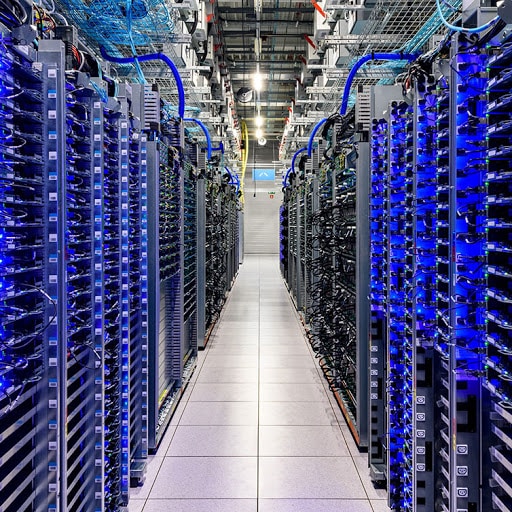

How We Build Sustainable Software
Sustainability is quickly emerging as one of the most pressing issues of modern times. Deforestation, the bleaching of coral reefs, mountains of garbage, global warming; there are so many concerns, many of them pressing.
There’s no way around it, if we don’t figure out how to build a more sustainable society, future generations could face grave challenges and be deprived of essential resources.
Every business now has to consider its impact on the environment. While some software developers might not consider the environmental impact of their code, services, and business practices, at Filecamp, we’ve been working hard to build sustainable software.
Just as you’ll have to choose a software provider, we had to choose a cloud service provider to deliver our file management system. One of our first considerations was sustainability. Let’s look at what that means for IT companies and our digital asset management system.
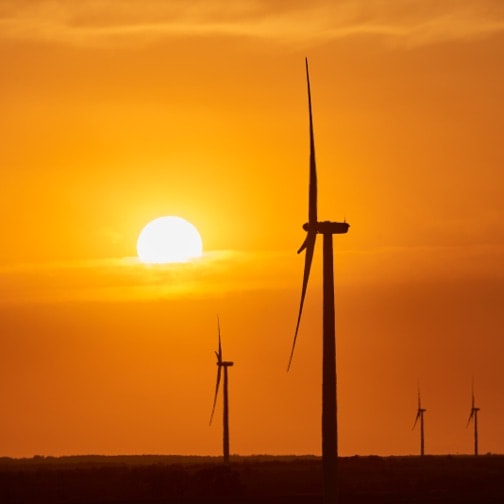
Why Filecamp Relies on Microsoft Azure
Was it possible to find a cloud service provider that minimised its impact on the environment? The answer is yes.
Filecamp is delivered through the Microsoft Azure Cloud Platform. We selected this platform for many reasons, sustainability chief among them.
Microsoft has committed to powering its operations with 100 percent renewable energy and to becoming carbon negative by 2030. Azure data centres are increasingly powered by renewable energy and are designed to minimise energy consumption through advanced efficiency measures.
Microsoft invests heavily in carbon reduction, renewable energy procurement, and environmental innovation. By using Microsoft Azure, Filecamp can further reduce its own carbon footprint.
Microsoft is recognised as one of the world’s leading companies in sustainable cloud computing. These ongoing commitments make Azure a strong example of a modern, responsible, and sustainable IT infrastructure.

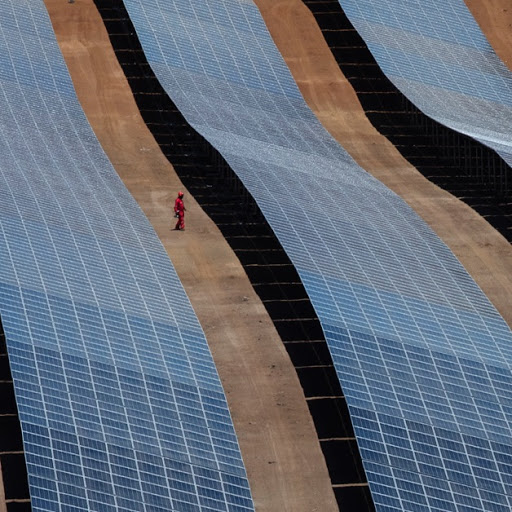
What Does This Mean for Filecamp?
So what does Microsoft Azure have to do with Filecamp? Our software is hosted on the Microsoft Azure Cloud Platform. Every time you use Software-as-a-Service, a server somewhere in the world runs the software. When you use Filecamp, Azure’s infrastructure is hard at work delivering our service.
For SaaS companies like Filecamp, it might be tempting to set up your own server network. We recognised, however, that it would be impossible to build and maintain a global infrastructure as secure, scalable, and reliable as Microsoft Azure.
We also knew it would be extremely difficult to create a highly efficient and sustainable server network on our own. This made Azure the clear choice.
For Filecamp, this means we can deliver our Digital Asset Management system using a cloud platform designed with sustainability in mind. Of course, your own devices may still generate emissions while using our service.

How the Filecamp Team Treats Sustainability
Filecamp is a flexible global team of like-minded people who take building top-notch software and sustainability seriously.
We encourage remote work and allow our team members to work from home whenever possible. This reduces commuting, lowers fuel consumption, and minimises the energy needed to maintain physical office spaces.
When possible, we rely on digital collaboration tools to hold meetings. We keep meetings to a minimum and make sure they are truly necessary before scheduling them. That helps support sustainability. And truthfully, who likes unnecessary meetings?
As for personal choices, they are always up to the individual. However, we encourage our team members to recycle, use sustainable energy sources, choose public transportation, and do whatever else they can to reduce their impact on the environment.
From the company perspective, we will continue to work with sustainable partners, such as Microsoft Azure, and to optimise our software whenever possible to reduce its environmental impact. Good corporate responsibility is part of the “code” at Filecamp.

How Serious is Sustainability?
Global warming, deforestation, coral bleaching, and other environmental challenges affect people and ecosystems around the world. The scientific consensus is clear that climate change is real and largely driven by human activity.
For example, NASA reports that 97 percent of actively publishing climate scientists agree that the Earth is warming due to human influence. International organisations and governments increasingly warn that urgent action is required to limit long-term damage.
Roughly 30 percent of the world’s landmass is covered in forest, yet large areas continue to be lost each year. Over the last decades, significant portions of the Amazon rainforest have been cleared, and many other vital ecosystems face similar pressures.
So yes, sustainability is a serious issue. Responsible corporations need to take meaningful steps to reduce their environmental impact and operate in a more sustainable way.
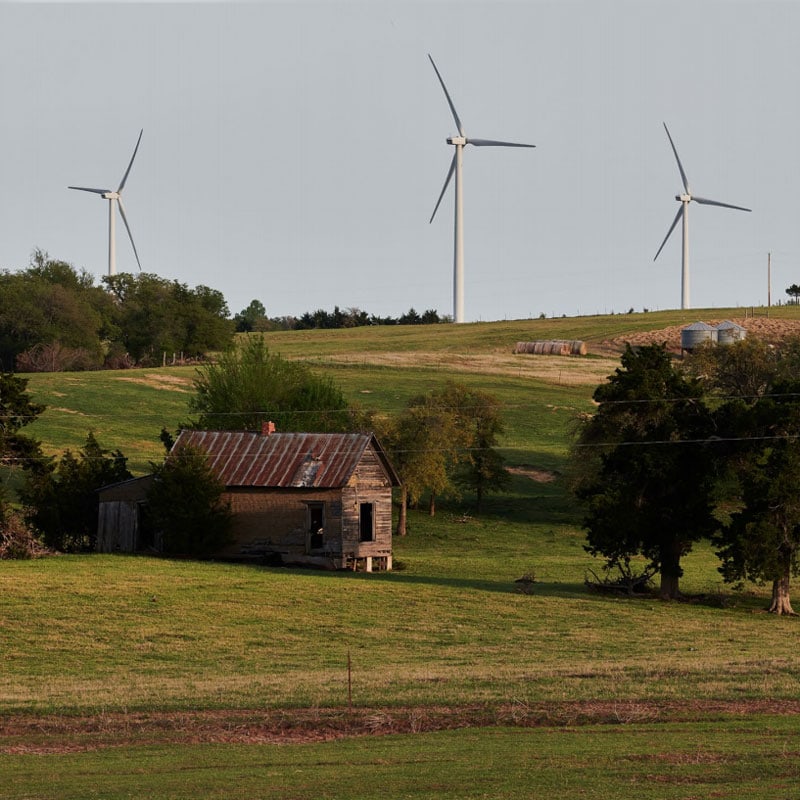
Does Information Technology Have an Impact on the Environment?
Information and communication technology (ICT) is estimated to account for a significant share of global electricity consumption and a growing portion of greenhouse gas emissions. As more business processes move online and data usage increases, the environmental footprint of digital services continues to rise.
Every digital activity consumes energy. Data centres, networks, and devices all require electricity to operate. Even simple actions, such as sending emails or storing files in the cloud, contribute to overall energy demand.
For example, sending and storing emails generates CO2 throughout their lifecycle, from the device used to create the message to the servers and networks that transmit and store it. Individually these impacts may seem small, but at global scale they add up quickly.
Does this mean technology should be avoided? Of course not. Digital communication is far more efficient than many traditional alternatives. Printing, packaging, and physically mailing documents typically requires far more energy and resources than sharing the same information electronically.
The same applies to file management. Running cloud-based software does consume energy, but digital asset management systems can significantly reduce the need for physical storage, printing, shipping, and travel. These efficiencies often lead to a lower overall environmental impact.
By hosting Filecamp on Microsoft Azure, we rely on a modern cloud platform designed to improve energy efficiency and support sustainability initiatives. The right use of information technology can help organisations work more efficiently while reducing their environmental footprint.
Even so, we must continue to look for new ways to make information technology more environmentally responsible.

Pursuing a Sustainable Future
As software providers, we will continue to optimise our software to use less energy and operate more sustainably. By hosting Filecamp on Microsoft Azure, we can ensure that our service runs on a modern cloud platform designed with sustainability in mind.
Our efforts help ensure that Filecamp remains a responsible and efficient IT solution. By relying on environmentally conscious infrastructure, we can reduce our own footprint while helping our customers do the same.
This commitment applies not only to sustainability, but also to user experience, security, and performance. Software is never truly finished. It is a continuous process of improvement, evolving to meet the needs of our clients.
At Filecamp, we will keep working to decrease our environmental impact and refine our digital asset management platform. In this way, we aim to deliver greener IT solutions and contribute to a more sustainable future.